Bookmarks (0)
Using mitmproxy with Brave Without Permanent CA Trust
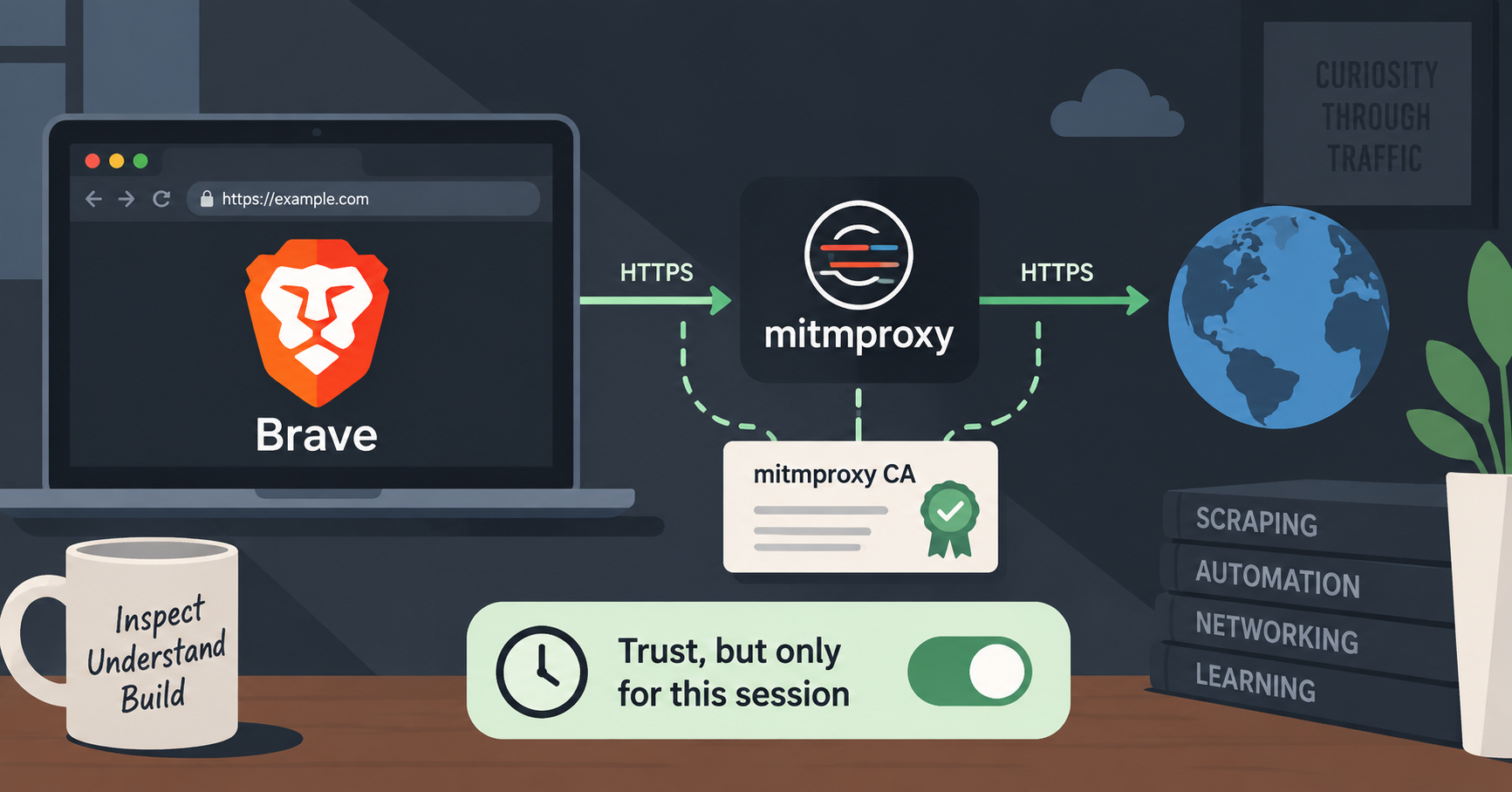
Recently I wanted to install mitmproxy on one of my Arch Linux computers, because I wanted to inspect HTTPS traffic while working on some scraping and automation projects.
Installing mitmproxy itself took only a few minutes, but getting Brave browser to trust mitmproxy’s certificate took much longer. The interesting part wasn’t the final fix. The interesting part was figuring out which layer was actually causing the problem.
Why I built psmon
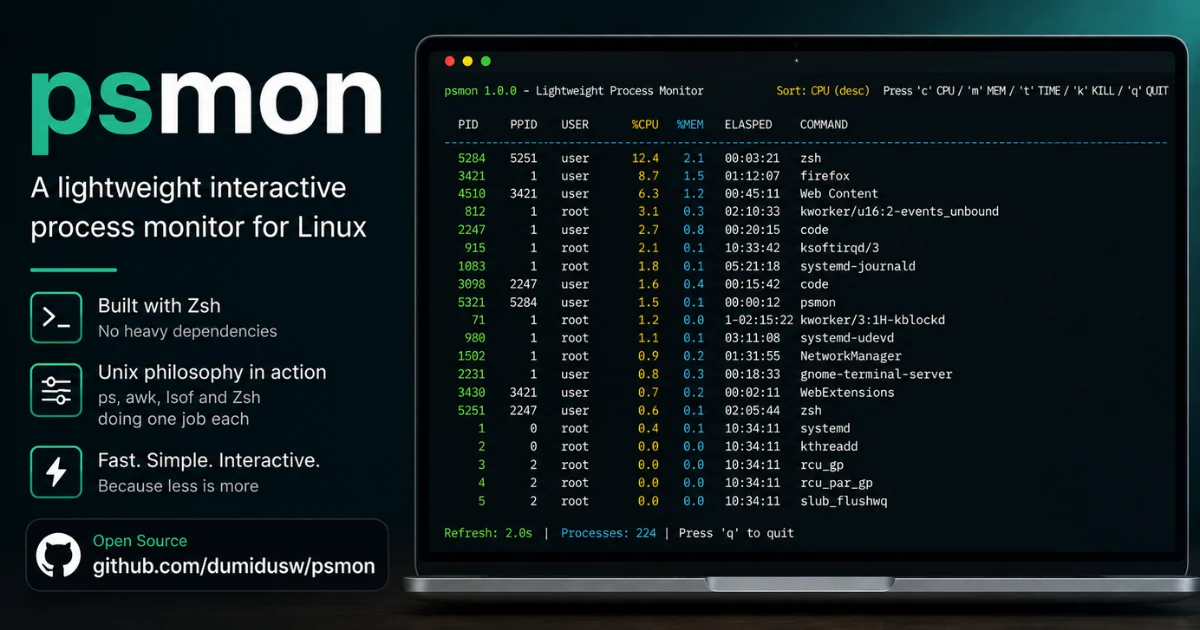
Anyone who uses a Unix like operating system has probably come across tools like top, htop, or the graphically rich btop. They are indeed feature rich and powerful. They are capable of providing pretty much every system metric an experienced system administrator could ever ask for. But I wanted something simple, fast, and approachable.
This is why I don't like NixOS
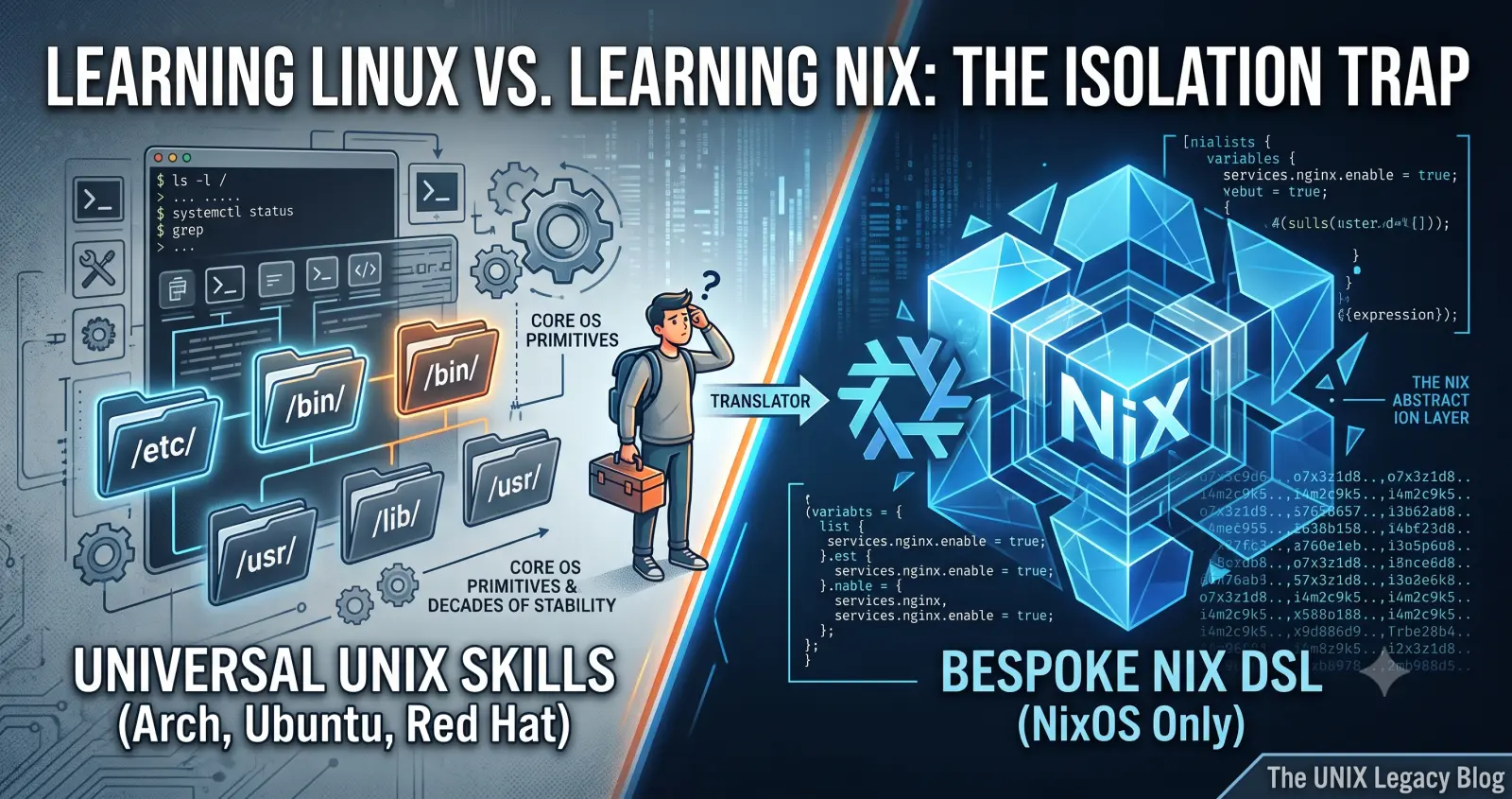
As I remember, it was around 2004 when I first installed Linux using a Red Hat CD bought from a local store. I spent days learning where configurations lived in /etc, where binaries sat in /bin, how shared libraries linked together via /usr/lib, and how text files drove the entire operating system, that beautiful concept of everything is a file. It took some time and effort, but learning those fundamentals paid off.
Why I Use mise to Manage Python, Node, and Rust
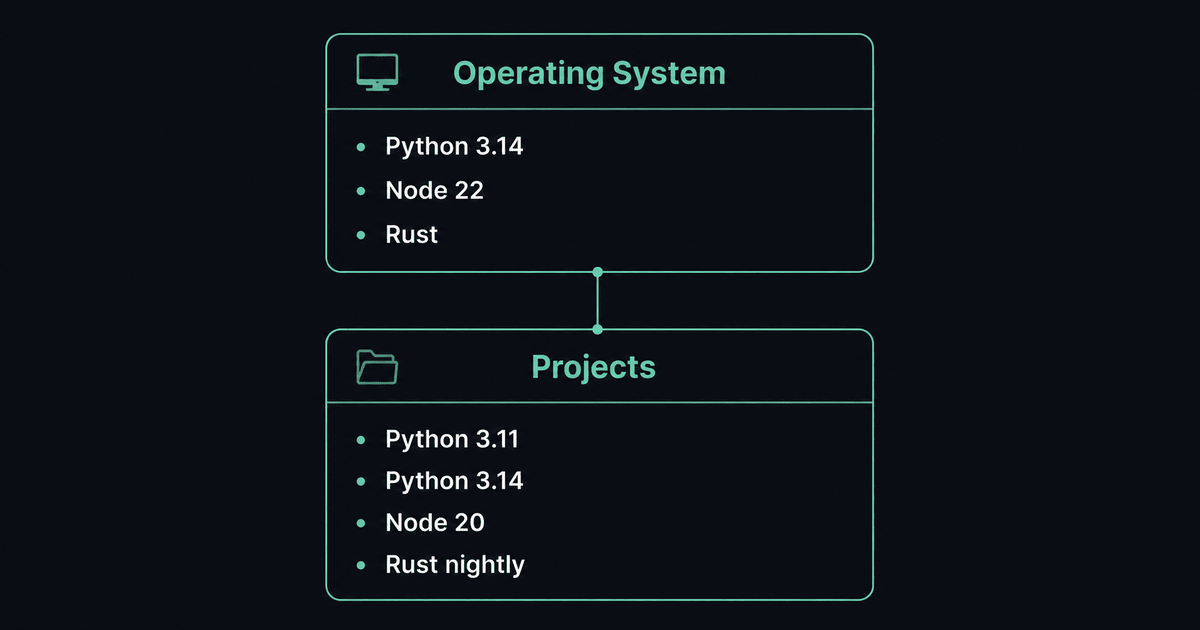
When you install Python, Node, or Rust with pacman, you get whatever version Arch currently ships. That’s exactly what your operating system expects, but it isn’t always what your projects expect. One project might require Python 3.11 while another uses Python 3.14, and the official repositories generally don’t let you choose between multiple language versions. They’re designed to provide a single current version of each package.
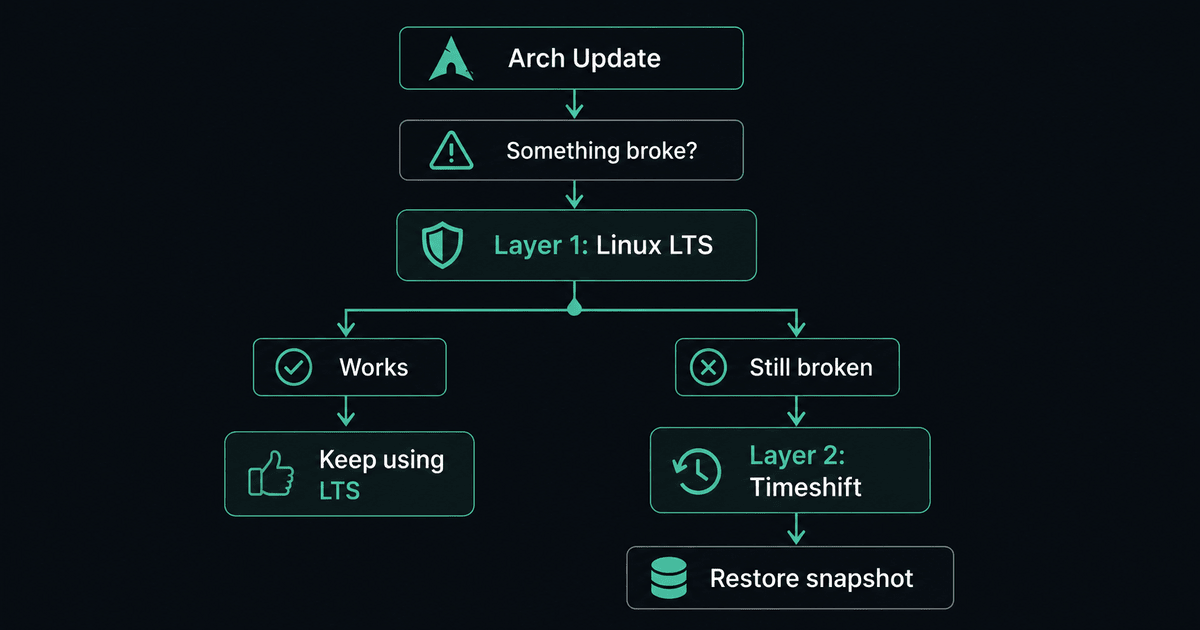
My Two Layer Safety Net for Arch Linux
Arch Linux is a rolling release distribution, so it doesn’t have version numbers like Ubuntu 26.04, Linux Mint 22.3, or Fedora 44. Instead, new versions of packages are released continuously. Whenever you update your system, you receive the latest available software.
That’s one of Arch’s biggest strengths. New features, hardware support, and bug fixes arrive quickly. You don’t want to wait for the next major release, but there is a trade-off.